Thursday, December 10, 2020

Training Approaches for Improvement in Nursing

 In the last thirty years, the technical and scientific achievement in the field of healthcare has led to an increase in the call of quality care received by patients. As a field that undergoes rapid changes in knowledge through new technologies, healthcare professionals must update their training to offer quality care. One of the most important professionals who have to keep up to fulfil this role in a healthcare setting is the nurse. 

Nurses are exposed to a variety of practical and theoretical learning since they are students. It can be something as simple as positioning and feeding the patients, or as complex as prepping them for surgeries and administrating drugs. Whether it’s pre-op or post-op care, a lot of training is required by nurses. So what approaches can healthcare institutes take to enhance their role? 

Creating a simulation is one method, where an environment is set up that acts as an imitation of the real-world process. By taking part in the simulation, they get an actual idea on what the working environment will be like, and what kind of pressure should be expected. Another tool that provides such experience in medical training is a patient mannequin. The mannequin helps them understand how to face critical procedures and be equipped with the knowledge to assist in such cases. 

To hone a nurse’s skill, consistent hands-on training is extremely important. A healthcare organisation can organise training programs where nurses can perform and practice invasive procedures. Especially for the nurses that are working in the emergency of the critical unit, they should be adept at handling any kind of procedure, sometimes under intense pressure. For example, healthcare organisations in India can reach out to The Consortium of Accredited Healthcare Organizations or CAHO that provides various training programmes such as the nursing training programs, hospital training programmes, infection control nurse course, etc. Here, nurses will not only be able to practice but can also have their doubts answered by knowledgable instructors. 

Consistent training and practice are vital clinical skills for the nursing profession. Instead of just gaining theoretical knowledge or watching an operation to understand, nurses must actively hone themselves with training which would help them in retaining the steps of a procedure better. Once the nurses have internalised the knowledge and worked on their competency level, only then can them become better at their job and ensure quality care for the patients.  

Also Read
How to Choose the Right Nursing Training Program

Thursday, November 19, 2020

The Importance of a Fire Safety Plan for Hospitals

When it comes to designing a healthcare facility such as hospitals and clinics, ensuring protection against fire comes high on the priority list. Unlike a shopping mall or a residential area, healthcare organisations are filled with sick, disabled or elderly patients, making fire safety a high-pressure component of healthcare organisations. 

In a building filled with immuno-compromised people or ones who are incapable of moving without support, it falls on the shoulder of the staff to ensure their safety and evacuation from the hospital. Though most healthcare facilities are designed keeping in mind the relevant codes, fire safety training for hospital staff can make them skilled in handling such situations. As the ones responsible for the safety and security of people inside the hospital, the staff should be trained in easy and efficient fire safety methods. Here are a few measures and approaches that healthcare organisations can utilise for creating an effective fire safety plan:

Detailed Action Plan

A calamity like fire accident leaves no room for thinking. That is why a detailed action plan can help answer all the questions and ensure instant reaction in the right manner. While creating an exhaustive action plan, different departments of the organisation must be looped in to cover all the bases in the best manner possible. 

Creating a Fire Safety Team

Every healthcare organisation needs to have a fire safety team that is involved in the planning of a safety and evacuation plan. This is the team that ensures smooth communication during any accident and works to reduce the damage caused by fire. There should be a proper communication channel established between the management and the fire safety team to keep the damage of fire to a minimum. 

Evacuation Aids

Evacuating a hospital during a fire can be quite difficult, hence, it falls on the staff to be adept with evacuation aids to help. Whether it’s evacuation mats and sheet, LED strips guiding to exit doors or fire fighting equipment, every hospital should be equipped with evacuation aids. 

Mock Drills for Staff

The nursing staff plays a huge role in protecting the patients during such a calamity. By undergoing fire safety programmes and making them participate in mock drills, organisations can create a reliable team for establishing a secure atmosphere. Hospitals can contact Consortium of Accredited Healthcare Organizations or CAHO, which is an eminent body that provides various training programmes such as the fire safety training for hospital staff, hospital training programmes, and healthcare quality certification courses in India.

In a healthcare organisation, fire safety requires excessive vigilance and monitoring by the staff. Ensuring these steps are followed will make the difference between life and death for a huge number of people in case disaster ever strikes out. 


Also Read
How to Choose the Right Nursing Training Program

Tuesday, September 8, 2020

Improving Quality of Maternal Care in Health Facilities

While India has made major progress over the past decades to improve the quality of care for women and children, there is still a disparity in proper utilisation of healthcare services. For an expecting mother, the quality of care she receives during and after pregnancy affects not just her health, but also the health of the child. Though there has been an uptick in parents preferring a healthcare organisation for delivery, some facilities still lack the proper quality of care required for the mother. Healthcare professionals such as nurses play a fundamental role in ensuring proper care among women and newborns. 

For expecting mothers, several aspects need to be taken care of to ensure a risk-free delivery and postpartum. Here are some areas that need to be improved to ensure the quality of maternal healthcare. 

 Right Care at the Right Time

For an expecting mother, it is generally advised that before delivery, they should have had at least 8 routine checkups done. This is important for detecting and managing any potential problem and minimising the risk of stillbirth. Any healthcare worker who has attended proper nursing training programs should be able to provide support to women. This includes information related to pregnancy, tips on choosing healthy food and following a healthy lifestyle, educating about family planning, etc. 

Positive Communication with Women

Effective communication is required between healthcare workers and expecting mothers to reduce any tension or anxiety they might have towards pregnancy. To make childbirth a positive experience, they should receive every information about their care as well as feel involved in decisions made regarding the delivery of their newborn. 

Prevent the Risk of Hospital-acquired Infections

Hospital-acquired infections not only increase the cost of care for a mother but also adds to the risk of disease or even death. That is why healthcare workers need to take extra precautions to prevent such an outbreak. Precautionary steps include washing hands with soap and water or rubbing alcohol-based sanitizer before examining a patient, safe disposal of infectious waste and disinfecting instruments in the procedure room after every delivery. 

Well-trained Staff Available to Provide Care

Healthcare organisations need to have competent, well-trained staff and skilled professionals that are present in sufficient numbers throughout the day to manage the expected workload and sometimes, even emergency cases. That is why the healthcare workforce needs to focus on professional education that builds on their experience and gets them ready for such eventuality. The Consortium of Accredited Healthcare Organizations or CAHO is an eminent body regulating the healthcare organisations that offers various workshops on such areas. They also provide various training programmes like nursing training programs, hospital training programmes, infection control nurse course, etc. 

Improving the quality of care for expectant mothers is a good indicator to showcase how much we have progressed as a country. This improvement is not only critical for the safety of the women but also crucial for reducing preventable maternal and newborn mortality.

Also Read
How to Choose the Right Nursing Training Program

Wednesday, August 19, 2020

Need for Accreditations for Healthcare Organisations During the Times of COVID-19

 Healthcare professionals play a major role in maintaining the health and well-being of communities by being on duty 24x7. Earlier, their selfless service and contribution went mostly unnoticed. It took a global pandemic for people to recognise the diligence of the complete healthcare fraternity. While healthcare organisations (HCOs) are serving the nation day and night amid the outbreak of COVID-19, the need for certain accreditations has risen exponentially for them. 

Proper training, certifications and accreditations are necessary for this industry as it holds a direct and major responsibility towards the lives of people. That is why there is a constant need to upgrade and improve the quality of healthcare services in a world which is advancing rapidly. COVID-19 has further raised the demand to elevate the standard of service delivered. This is essential for not only the betterment of patients but also for the growth and safety of HCOs and its staff. 

Why does qualified healthcare staff require further training? 

Learning is a continuous process. Everyday new technology and lifestyle changes are coming up along with new challenges for this industry. There is always a scope of growth and improvement in almost every field, therefore, such training programmes and certifications are necessary to keep up with the modern requirements and enhance one’s professional skills. From doctors and nurses to quality managers of a hospital, everyone can join a relevant programme to unlock huge growth potential. This will also help them in improving the quality and safety of healthcare services they offer during the current global humanitarian crisis of coronavirus. 

What kind of training and certifications programmes are available? 

Short-term online and onsite training programmes are now available across the nation so that healthcare professionals can easily achieve related certification. Training programmes are available on various subject matters like Emergency Department Quality and Patient Safety, Cyber Security in Hospitals, Hospital Infection Control, Laboratory Quality Management System, and Quality Implementation in Hospitals. Programmes related to infection control and cyber-security have become all the more important amid COVID-19 pandemic. Special nursing training programmes are also available for the nursing staff of HCOs. 

How to get a recognised certification? 

Interested healthcare workers can enrol into recognised training programmes offered by CAHO (Consortium of Accredited Healthcare Organisations). It is a not-for-profit organisation which offers training and certifications to doctors, nurses, technicians and administrators for continuous quality improvement. To achieve full accreditation standards, two levels of a programme - basic and advanced, must be completed by an individual. CAHO works in association with NABH (National Accreditation Board for Hospitals and Healthcare Providers) and also supports healthcare organisations with no or entry-level accreditations to go towards the full accreditation standards. 

The COVID-19 outbreak demands for an as high speed of quality improvement in the healthcare sector as that of its spread. Considering this, CAHO has conducted several webinars on topics like operating room challenges during pandemic and communication skills that doctors need during this time. Therefore, healthcare organisations and professionals should seek continuous training for better management and quality improvement.

Also Read
How to Choose the Right Nursing Training Program

Thursday, June 11, 2020

The Guide to Becoming an Infection Control Nurse

Even in a sterilised and sanitary environment, a rogue infection can spread quickly and get out of hand. Though it depends on the type of infection and the area which has been infected, if left unchecked, people can become seriously ill and even die. As seen in the current pandemic of Covid-19, it can even transverse state and country boundaries, affecting people all over the world. That is why Infection Control Nurses are important for a healthcare organisation. They are the ones who are trained to prevent dangerous infectious diseases from spreading. 

Infection control nurse course


Infection control nurses are extremely important for an organisation, as their job is to ensure precautions are taken to prevent the virus or bacteria from spreading. Even a small mistake can lead to the infectious agent to spread from a patient to a healthy individual, hence, they play a huge role in containing outbreaks and epidemic. To understand the scope of an infection control nurse, here are the answers to some of the frequently asked questions:

What do Infection Control Nurses do?

The main duty of an infection control nurse is preventing the spread of an infectious agent that can harm society. To do so, they often educate other medical professionals and civilians on the techniques to prevent the spread and protect themselves as well as others from contamination. They also might study the structure of pathogens and viruses in order to determine the best ways to contain or prevent the infection. In the event of an outbreak, they are the ones who isolate infected patients and take steps to contain the infection. 

Where do Infection Control Nurses Work?

There is no special difference between an infection control nurse and other nurses. The only difference is that the former opt for specialised infection control nurse course. Other than that, they work in similar medical facilities, such as hospitals and clinics. They can even become part of government agencies that raise awareness about different infections and their prevention. 

How to become an Infection Control Nurse?

For becoming an infection control nurse, all you have to do is obtain some experience in the nursing field, and then take up a course that will help you secure a specialised position. 

A good option is to check out the infection control nurse course offered by the Consortium of Accredited Healthcare Organisations (CAHO), which is a recognised non-profit organisation that aims to improve healthcare quality. With programmes such as fire safety training for hospital staff, basic nursing communication, cybersecurity in hospital, etc., they work to improve the quality and safety of healthcare services provided by the HCOs across the country. 
 
Also Read
How to Choose the Right Nursing Training Program

Monday, April 27, 2020

Dealing with Hospital-acquired Infections

As is most of the world, India too is currently going through a period of transition. In spite of devising various national programmes to keep such diseases under control, infectious diseases are still a major concern in our country. The outbreak of Coronavirus clearly depicts the importance of having a backup plan to counter such diseases. And this also goes for the diseases that were believed to be eliminated previously such as tuberculosis, cholera, dengue, H1N1, Nipah, etc., which are making a comeback in some areas. All of this has led to a sharp rise in the number of patients that require immediate attention in the hospital, thus increasing the pressure on doctors.   

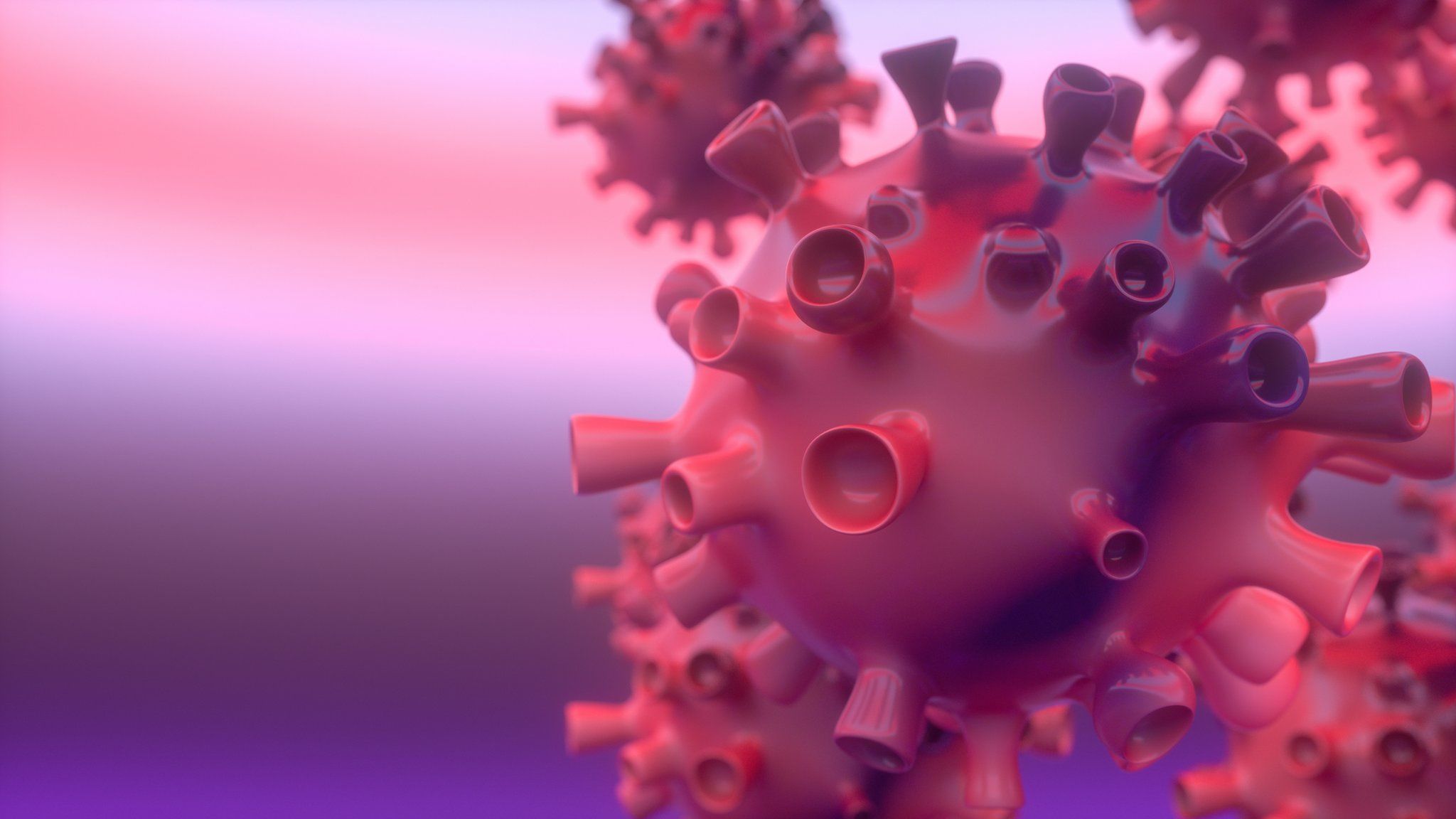
Coronavirus: When will the outbreak end and life get back to ...

Besides the biggest factor behind this situation being the unsanitary conditions that surround the majority of Indians, there is another factor that affects a lot of citizens i.e. hospital-acquired infections. According to the present scenario,  India has an alarming rate of intensified infections, almost one infection per 4 visits. Plus these infections can be quite serious and difficult to treat, sometimes even more challenging than dealing with ordinary pathogens. 

However, with strict adherence to norms and protocols as well as conducting intensive hospital training programs, it can be ensured that such infections are under control. Health care professionals should observe some basic procedures when dealing with infected patients in hospitals:

  1. Always ensure the use of new and sterilised equipment. 
  2. Maintaining hygiene is of paramount importance for a hospital. Ensure that it is free of mosquitoes, pests or other insects. 
  3. For professionals who need to deal with infected patients on a regular basis, they should make sure to wash the contaminated skin and hands as soon as possible and should wear disposable gloves during the check-up. 
  4. Measures such as masks, gloves, gowns etc. should be taken care of in case the health professionals come in direct contact with blood, lesions, tissue fluid, etc. 
  5. When providing mouth-to-mouth resuscitation, ensure that adequate mouth protection is used. 
  6. Try to avoid letting the patients go out of their designated rooms. In case they need to go, a professional should always accompany them.  


A good option for healthcare organisations to deal with hospital-acquired infections is to introduce courses that would improve the control skills of the professionals. For example, the Consortium of Accredited Healthcare Organisations (CAHO), is a recognised non-profit organisation that strongly believes in promoting, improving, and sharing quality healthcare practices to healthcare professionals across the country. They host various healthcare training programmes such as training to deal with communicable diseases, enhanced clinical communication skills, quality implementation in hospitals and much more. 
 
Also Read
How to Choose the Right Nursing Training Program

Thursday, March 26, 2020

A Guide for the Healthcare Providers to Deal with Communicable Diseases

The count of communicable diseases that are plaguing the Indian population is increasing rapidly. This includes the diseases which were believed to be eliminated previously like cholera, tuberculosis, HIV/AIDS, Ebola, dengue, West Nile virus, H1N1, and Nipah. This means that the number of patients that hospitals will be attending to would be increased. The reasons behind this situation are unsanitary conditions around the habitat of majority Indians, a weak immune system, and lack of nourishment in the general public.

The rate of infections is intensified with cases of hospital-acquired  infections, which is particularly high in India in relation to developed nations. The rate is alarming at one infection per four hospital visits. Usually, patients are often infected with multi-drug resistant strains of pathogens from hospitals, whose treatment is far more challenging than ordinary pathogens.

Hospital-acquired  infections can only be reduced with strict adherence to norms and protocols, and intensive training programmes for health care professionals, like infection control nurse courses. Having said that, here are some basic procedures to be observed while caring for patients with infectious diseases in hospitals:

  1. Include cautious measures by using gloves, masks, eyewear, gowns, etc. especially in the circumstances involving contact with blood, bleeding lesions, tissue fluid, vaginal fluid, semen, etc.
  2. Wash contaminated skin as soon as possible, and hands should also be washed after removal of gloves, before attending the next patient.
  3. Puncture injuries should be avoided.
  4. Mouth protection should be used during mouth-to-mouth resuscitation.
  5. New or sterilised equipment should be used.
  6. Hospitals should be kept free of mosquitoes, pests and other vectors.
  7. Patients should be taken out of their rooms only if absolutely necessary.
  8. Pregnant health care workers should be doubly cautious and observant of all the disease-specific protocols.

Along with infection control nurse courses, healthcare providers should also attend courses that impart communication skills for healthcare professionals. The consortium of Accredited Healthcare Organisations (CAHO), is one such recognised non-profit organisation that strongly believes in continuously promoting, improving, and sharing the best healthcare practices across platforms. CAHO hosts various healthcare training programmes like fire safety training for hospital staff, training to deal communicable diseases, communication skills for the healthcare professional, cybersecurity training and others for the hospital staff and much more. You can visit their website to know more!
 
Also Read
How to Choose the Right Nursing Training Program

Common Communication Barriers in Healthcare and How to Overcome Them

In the healthcare sector, the desired outcome most of the time depends on proper communication, even though it is not always noticed. A simp...